The complete guide to restaurant menu engineering
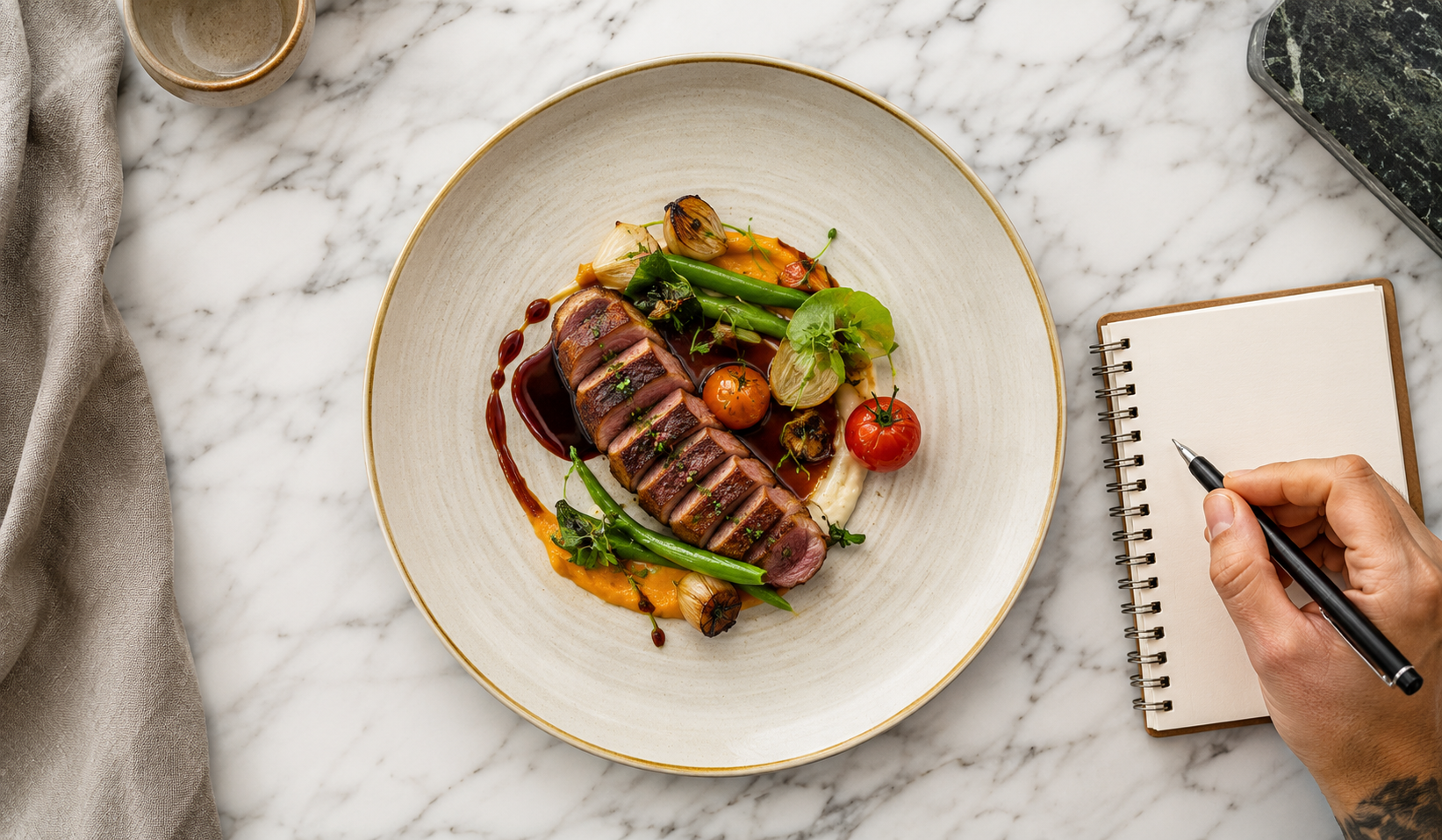
Menu engineering was popularized in the 1980s by Michael Kasavana and Donald Smith. The idea: classify every dish on your menu by profitability and popularity, then redesign the menu to move guests toward the items that make you money — without them noticing.
The matrix
Plot every menu item on a 2×2:
- Stars — high profit, high popularity. Protect them.
- Plowhorses — high popularity, low profit. Raise the price or re-cost them.
- Puzzles — low popularity, high profit. Better placement, better photos, better description.
- Dogs — low on both. Remove or rework the recipe.
How to calculate it
For each dish you need three numbers: cost of ingredients, selling price, and units sold over a defined period. The classic thresholds are:
- Popularity: a dish is popular if it sells more than 70% of the average item’s units.
- Profitability: a dish is profitable if its contribution margin is above the menu average.
How to redesign
Once you have your matrix, the work is small but disciplined:
- Move Stars to the top-right of the menu and to the top of each section.
- Anchor prices next to Plowhorses with a higher-priced item — guests will perceive the plowhorse as reasonable.
- Rewrite Puzzles with sensory language and pair them with a photo or callout box.
- Remove or rework Dogs. If a Dog is your signature, re-cost the recipe — the problem is rarely the dish and usually the recipe.
What a redesign usually moves
Operators who do this work consistently report a 3–8% lift in contribution margin on the same covers. The lever is not asking guests to spend more — it is steering them toward the dishes they were going to enjoy anyway.
For a full walkthrough of pricing, layout and the psychology of the menu page, see our guide on building a high-converting menu in Finio.